
DANA FARBO
Dana Farbo is a serial builder.
He grew up on a farm in northern North Dakota. His extended family worked about 5,000 acres together, raising crops, cattle, and horses. By 12, Dana was fencing miles of barbed wire alone with nothing but a tractor and posts he drove into the ground. At 13, his father gave him one cow for working the farm. By the time he graduated college, he'd grown that into a herd of 30- 35 and kept selling them until his college was paid off.
From there, he moved through music and entertainment, the early digital advertising world, and eventually founded his own digital agency in New York City. He's been on the client side, the agency side, and now the founder side. He's also an investor in Lifestyle MD, a hydration and nutrition company that started in oncology, making products for people going through chemotherapy who need concentrated nutrition that's actually delicious.
Now, he’s building in fan engagement and digital collectibles, using AI, blockchain, and digital signatures to create ecosystems around sports, music, and youth markets. The idea stemmed from his grandfather’s story, when a lifetime collection of historical memorabilia (JFK signed letters, photographs, stamps, etc) was destroyed in a flood. Dana is building the version that can’t be lost. One-of-one digital signatures, blockchain ownership, and stored permanently. It’s personal, and it fulfills him daily.
HOW HE OPERATES:
How Dana manages his health and energy while building a company:
Wakes up at 4:30 to 5am every day
Loves the dark, quiet morning before anyone else is up
If he works out in the morning, he never has a bad day
"If I can get a run in the morning, or a workout in the morning, I never have a bad day. If I don't, the odds are I could have a worse day."
The hardest part: getting his left leg over the side of the bed. "If I could get my left leg over the side of the bed, I could pull myself out. And once I'm up, I'm gone."
Used to run a lot more than he does now. Trying to get back to consistency.
Lost 15 years of health momentum, and knows exactly when
When he turned 40 and started his digital agency in New York, his commute was 4 hours a day round trip - Jersey to NYC and back
That travel time ate into everything and his health fell off.
"My routine became out of sync with what my desire was. That hurt me for a good 15 years."
Didn't start recovering the rhythm until 2018 when he moved to Colorado
Now actively working to make health non-negotiable again
Ditched the gym, reclaimed the drive time
Doesn’t need the social aspect of a gym
Replaced gym commute time with meditation, focus work, and time spent on his own health and well-being.
The travel time was the real cost, not the workout itself.
Admits he puts a lot aside for work and business
Work is non-negotiable. Health is negotiable. He knows that needs to flip.
Looks at people like Jack LaLanne, who was still doing pull-ups at 90, as the north star
Lives on a lake, gets into nature
Kayaking, hiking, taking the dogs out
The biggest health benefit outside of exercise: getting away from the phone
Lives in a lake community where the outdoors is built into the environment
Studies Tim Cook's regimen
Admires Cook's structure: up at 4:30, workout, at his desk by 6
Also took note that Cook reads customer emails for 30 minutes every morning, not reports but actual emails
"That gives him the pulse of the business every day. He's not just reading a report. He's feeling it."
Applies the same idea: structure your time so you're not wasting it. The more you structure, the better you feel, the more you get done.
Honest about aging and urgency
"I'm not going to live another 50 years. I need to start to really enjoy the stuff I want to enjoy before I can't do it."
Still a workaholic. Still loves building. But starting to recognize the window for everything else is shrinking.
“I have to be part of something, create something, and die trying."
Buy the young horse
Curiosity drives everything. AI, crypto, blockchain, he doesn't wait for someone else to figure it out. "You don't learn by reading. You learn by doing."
On the farm, they could've bought horses already broke to ride. Instead, they bought young ones and trained them themselves. Same principle.
Hates the "buy and hold" mentality in crypto: "Unless you're using what you're buying, all you are is an investor. You're not a builder. We're builders."
Farming & entrepreneurial principles align
Grew up on a farm raising wheat, barley, vegetables. No one told him he couldn't do something. The default was to make it happen.
His one regret from the farm: they stayed in commodities instead of going vertical. "We had all the capability. We could have been in the vodka business in '77."
That lesson stuck. Now he builds vertical stacks instead of single products.
Doesn’t just look at one component, he builds the full chain and supports it with partners.
Know your audience before you build
"If everybody tries to go broad with all audiences, that doesn't work. You have to identify where you're going to be and who you fit."
Two paths: if you already have a product, make sure you understand who actually wants it. If you don't, find your audience first and build what they need.
Play with people who pull you up
Golfing with players worse than you, drags you down. Playing with golfers better than you pulls you up.
Applies the same filter to business, health, and personal life.
People first, everything else follows
"Vision is right. Everything else falls into place - your products, your audience, your sales, your marketing - when you have the people side."
Constantly reassesses who's driving and who's riding. The roster isn't set once. You keep evaluating who's helping you push the vision forward.
But identifying the right people up front is almost impossible. "You have to jump in, use your experience to understand where you're going, and then look at what the skill sets are."
Thinks of people like a balance sheet: assets and liabilities.
“Look at everything more rationally as asset and liability. Start to limit your liabilities in people around you. If you circle yourself with people that are woe is me, you will get sucked into that.”
MY TAKEAWAY:
As the case with most, the awareness is there, but the execution is the battle. Dana knows he has to prioritize health, but he is so fulfilled by his work, that it’s hard to get away from sometimes.
My dream is to live on a farm one day, and I find the intersection of farming into entrepreneurship so interesting. For starters, the hard work and mentality carry over, but there is also a real correlation between farming and success. I think over 15 US Presidents grew up on a farm, so it’s definitely something to look into.
The other thing that sticks is his framing of people as assets and liabilities. I think it’s important to get rid of liabilities for sure, but you have to be okay with the isolation phase and the reality that there may be more liabilities in your life than you thought.
Lastly, all these interviews are proving that mind body and business are connected. The guys who are still sharp at 80+ years old, are still working, fulfilled, and moving every day.
WHAT MOVES THE NEEDLE (From Dana):
Consistency. Not just in exercise, or what you eat, but in all of your habits.
STEAL THIS:
Actions you can take right now
Tomorrow morning, before you check your phone, move your body for 10 minutes. Run, walk, stretch, doesn't matter. Just get the blood flowing before the day starts.
Apply Dana's asset/liability framework to the five people you spend the most time with. Are they pulling you up or dragging you down? You don't have to cut anyone out overnight, just notice the pattern.
WHAT HE IS BUILDING:
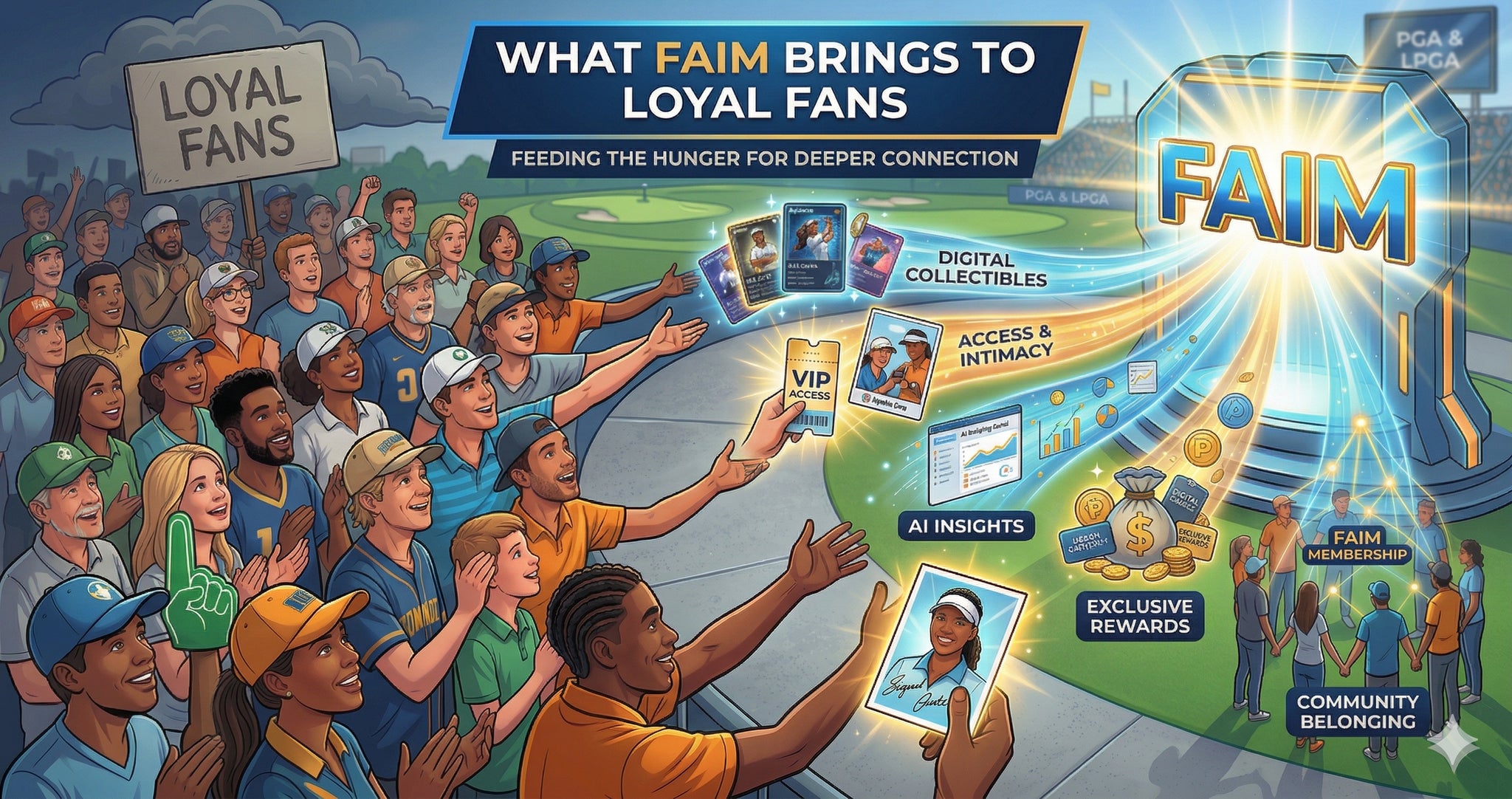
FAIM - Fan Engagement Ecosystem
Dana is building a vertical fan engagement platform that combines AI-generated collectibles, digital signatures, and blockchain-verified ownership. The vision: not just one product, but an ecosystem of experiences for fans across sports, music, and youth markets - from signed celebrity photos to AI-powered collectible cards for kids' sports teams.
The business model starts with one product (like signed digital collectibles), builds an audience around it, then expands into games, partnerships with brands like Fanatics or Live Nation, and direct-to-consumer offerings. Dana's approach to business is the same as his approach to farming: don't just sell the crop. Build the vertical stack from the ground up.
CHECK OUT FAIM:
Thank you for reading!
