
CHRIS ANNOUAL
Chris is a serial entrepreneur based in Miami, born and raised. He bought and sold jet engines, built a reusable gas pump glove called Pump Pal that did $1.2M in year one, but none of it fulfilled him. The money was great, but he wasn’t satisfied since he wasn’t solving the problems he wanted to. Now him and his wife are the co-founders of Sidepiece Snacks, a better-for-you cookie and frosting pack, born out of his wife’s autoimmune condition and their shared obsession with dunkaroos. Sidepiece is the first company he hates going to sleep over because he’d rather keep building.
HOW HE OPERATES:
How Chris manages his health and energy while building a company:
No routine. That's the point.
Doesn't go to bed at a set time. Could be 11 pm, could be 2 am. Depends on how he feels. Same with his wake-up time, could be 9, could be 10; he just listens to his body.
Morning workouts because that's when he has the most physical energy. But not rigid about it (though he is not an early morning person by any means)
"I'm not one of those entrepreneurs that's like, I gotta be up at 6am and cold plunge and do a backflip."
Tried forcing strict schedules. Felt worse every time. "Whenever I force those kinds of things is when I don't feel my best."
Doesn't use wearables. Doesn't follow anyone else's protocol. "Even Hormozi said he doesn't force drinking a gallon of water. He drinks when he's thirsty. That's how your body intended it."
Listen to your body, not your feed
"A lot of people don't listen to their body. They'd rather follow Alex Hormozi's schedule because it works for him."
The nose strip thing bothers him. "I see people in meetings with a nose strip on. Dude, just take it off. You don't have to do all that. Hormozi can do it because he’s Hormozi”.
Be yourself and stop forcing it
Wears a hat everywhere, including investor meetings. "If you feel comfortable, you can perform the best. Just be yourself."
Biggest mindset shift: stop chasing money, start chasing what makes you happy.
"I've started companies where I knew it wasn't the right fit. I just did it because I'm like, this has a big TAM. And I knew it wasn't going to work, but I wanted to do it because I could make money."
You’ll have more success when you chase happiness over money
The founder is the business
"Anybody can recreate a brand, but you can't recreate the sauce of the founder."
Investors who've been doing this long enough can smell a founder who doesn't know their business from the first intro call.
"You have to understand your business inside and out, and not just yours, but your competitors' too."
On why nobody can replicate Sidepiece: "You would have to clone us. And even cloned dogs don't come out with the same temperament."
Brand is not optional
Spent their entire friends-and-family round on branding. Worked with TRUFFL, the agency behind Last Crumb, Better Bagel, and RIPI.
VCs are reaching out before they've even raised a pre-seed. "Most pre-revenue founders don't spend this much on brand."
"A good product with a bad brand is not going to sell. Brand and product are both table stakes now."
In this generation, the customer expects everything, so you have to focus on your product tasting good, looking good, and being affordable.
Your customer is your business
"If you think you know your customer, you really don't." Designed Pump Pal (gas station handle glove) in neon green, yellow, marble. Best seller was black. Threw away 5,000 units because they never tested sizing.
When they ran out of product for six months, they emailed every customer individually and told the truth. Everyone was cool about it.
"Be very honest from the beginning. Set the right expectation. Treat them like royalty. That's something I've learned."
Now running a 1,000-pack sampling program for Sidepiece before launch. No more assumptions.
His wife's autoimmune condition changed how they eat
She can't eat most things. Her body doesn't know what's an allergen and what isn't. White blood cells overreact to everything.
They couldn't eat out. Had to start making everything from home out of necessity.
Noticed massive changes: less inflammation, better sleep, more energy, waking up feeling better.
She did a 30-day elimination diet. Nothing but a protein shake three times a day. "It tasted and smelled horrible." But her body completely reset. Levels normalized. Everything improved.
"It showed you that everything impacting the way she felt was just the food."
Works out so he can eat what he wants
Eats really healthy most of the time but loves indulging. "I work out and play sports so I can eat unhealthy."
Still plays sports regularly. Morning workouts are his anchor.
"I wouldn't change much right now."
The food system is broken and they're building against it
Even apps that scan barcodes miss things. Products that look clean and say “dairy free” on the front still have milk enzymes and hidden additives.
"You have to be super conscious of what you're eating, and most people really aren't."
"It's up to the next generation, the millennials that grew up eating all this stuff, to make better products. We're all just fighting against Big Food."
“Once you stop chasing money and start chasing things that make you happy, especially in business, you're gonna have a lot more success.”
MY TAKEAWAY:
Their branding is so incredible. I know a lot of founders on X use the “build in public” method, but I think it’s rare to see it in a CPG company. Chris has managed to build a brand before going live with the product, and it’s amazing to see.
I for one cannot wait to try Sidepiece snacks, even though key lime pie isn’t a founding flavor. I am a sucker for key lime too, so I’m with you Chris.
It’s funny looking back at health trends, and how it used to be a nutrition label obsession, where good macros and calories meant it was healthy for you. Now, it has shifted to just the ingredients, without the macro emphasis. However, even with good ingredients, some brands fool you. There is a healthy cookie that markets itself as having 12g of protein, yet it’s 12g of protein for the whole cookie, and the cookie itself is 4 servings worth. FOOLED. The serving size for sidepiece is one pack (thankfully).
WHAT MOVES THE NEEDLE (From Chris):
Just show up. Every single day.
Be extremely curious about your business. Learn every piece of it inside and out.
STEAL THIS:
Actions you can take right now
Scan the ingredient panel of three things in your pantry this week. Not the nutrition label, the ingredient list. Look for things you can't pronounce. Chris's wife was getting sick from products that looked clean on the front but had hidden allergens buried in the fine print. You might be eating something your body is reacting to without knowing it.
If you've been forcing a routine that doesn't feel right, stop. Chris tried the 6 am wake-up, the rigid schedule, all of it. It made him worse. The version of him that shows up at 10am and builds until he doesn't want to sleep is outperforming every forced routine he ever tried.
WHAT HE IS BUILDING:
Sidepiece Snacks
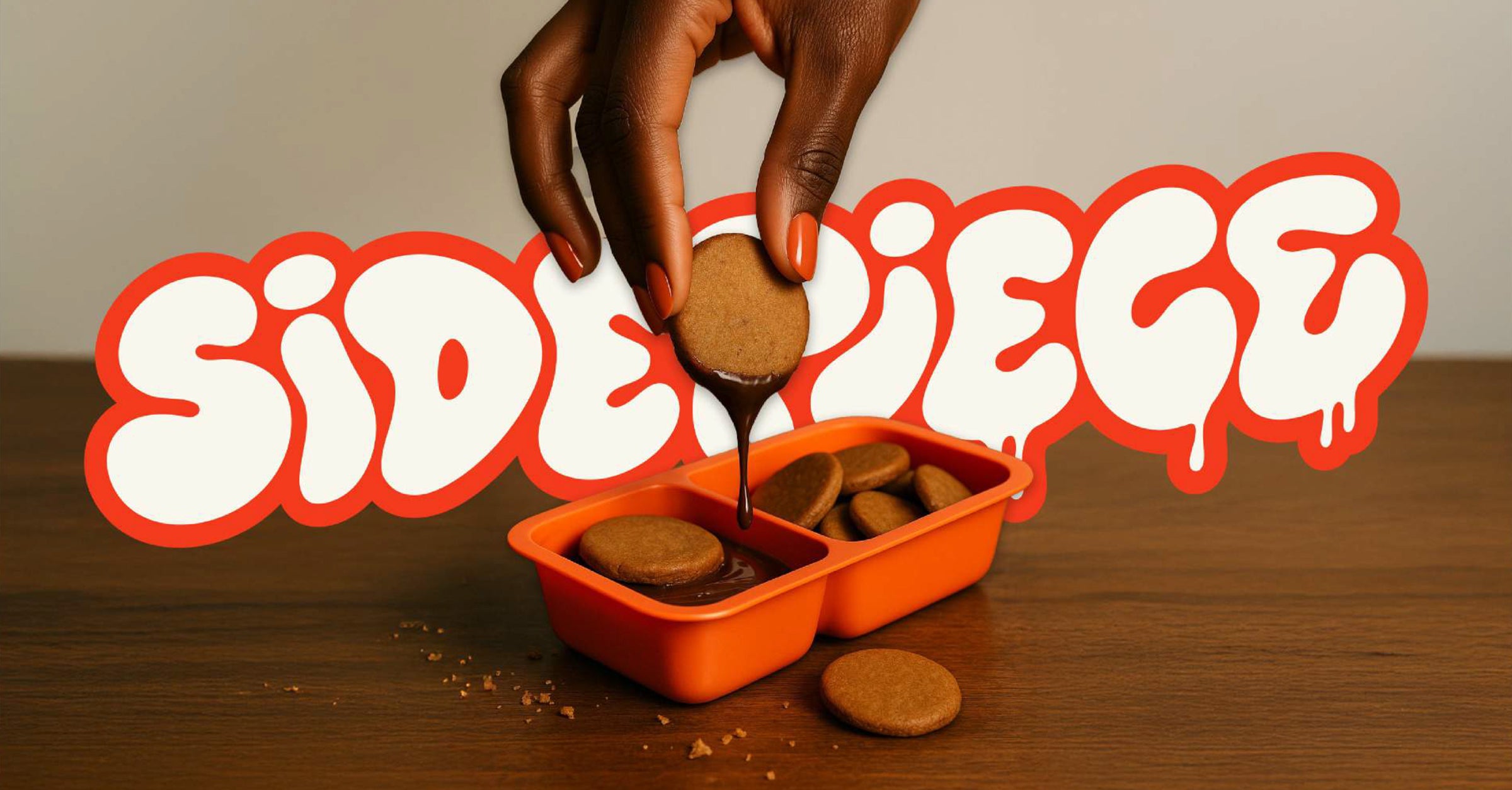
Sidepiece is a better-for-you snack brand reimagining the nostalgic grab-and-go snacks people grew up on, Dunkaroos. 10g protein, 10g fiber, 8g sugar, vegan, gluten-free, and free of the 19+ additives in the original. They've had tens of formulations, working with a food scientist to get the taste right without compromising on ingredients. But "The goal is not to make everybody happy. It's to make a product that fits our ethos and has the macros we want, without getting too far away from our core mission."
Flavors: birthday cake, peanut butter fudge, and churro (the best seller, born after an investor told them key lime pie sucked). Pre-launch, building a waitlist, running a 1,000-pack sampling program, and are at 65-70% profit margins before economies of scale.
CHECK OUT SIDEPIECE:
Thank you for reading!
